
How to Measure and Replace an Interior Door
Choose between a slab and prehung interior door, measure the opening, plan handing and install the door and casing with fewer surprises.
Replacing an interior door starts with deciding whether the existing jamb is worth keeping. A slab replacement can preserve good trim and paint, but hinge and latch locations must be transferred accurately. A prehung assembly replaces the door and frame together and is often more predictable when the jamb is damaged or badly out of square.
Door handing is easiest to record from the room where the door swings toward you: note which side carries the hinges and photograph the opening. Also measure nearby switches, floor transitions and furniture paths before choosing a different swing.
Never assume the opening is square because the old door closes. Measure width and height at several points and compare the diagonals. The installation must create a plumb hinge side and consistent reveal even when the rough opening is imperfect.
Measure the project
Measure actual width, height and thickness; do not rely on the nominal description.
Measure wall thickness from finished face to finished face and record the jamb width.
With trim removed, record width and height in three places plus both diagonals.
Record hinge size, corner shape, hinge locations, backset and latch height.
Shop the material list
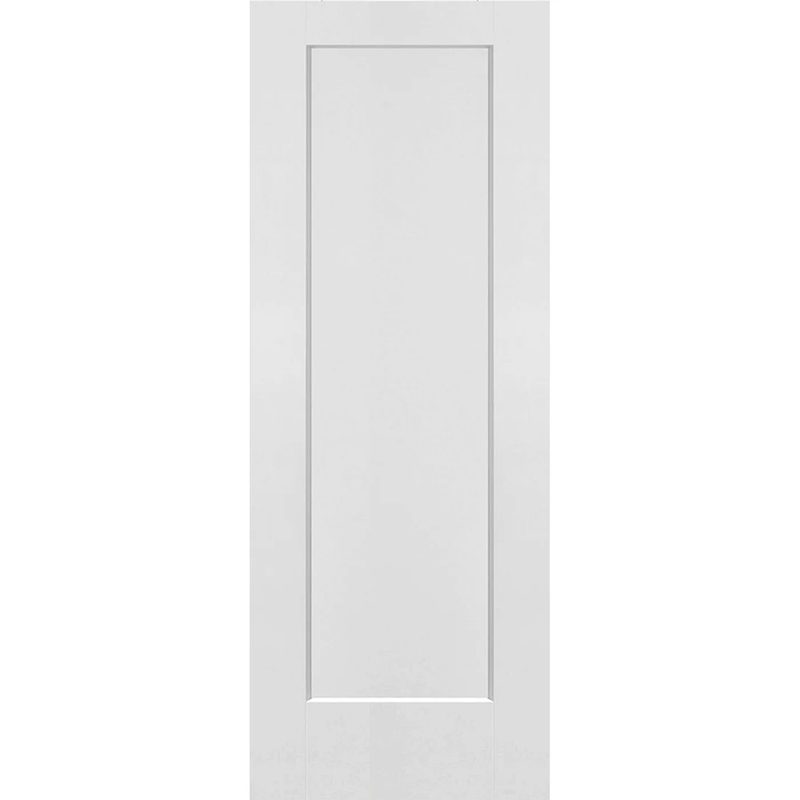
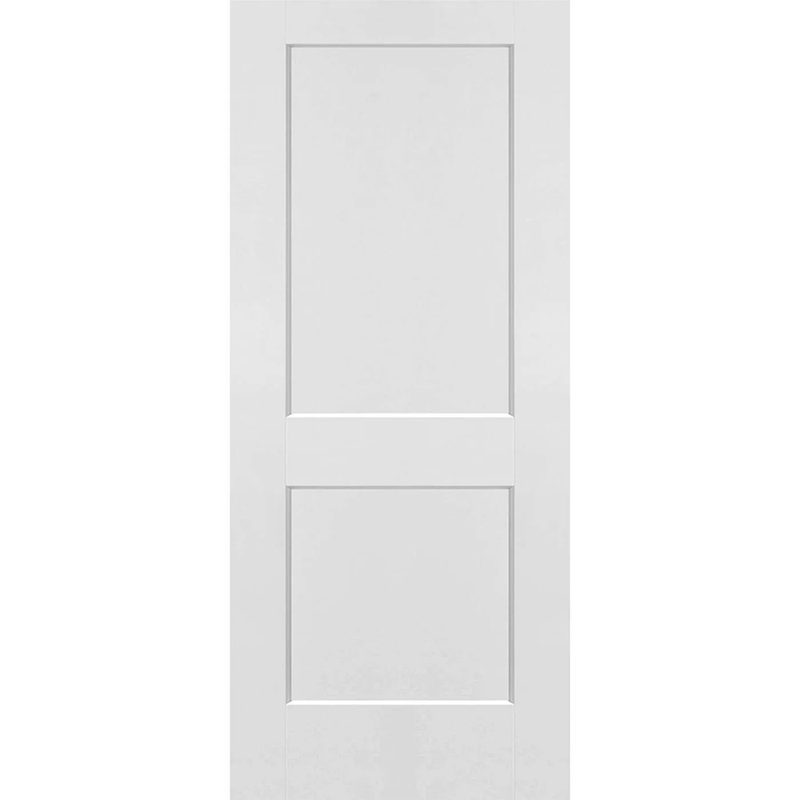
Choose products that match the exact room conditions and manufacturer instructions. These catalogue picks give you a practical starting point.
Have these ready
- Tape measure
- Level
- Square
- Utility knife
- Pry bar
- Drill and driver
- Shims
- Appropriate fasteners
- Nail set or finish nailer
- Eye and hearing protection
Build it in the right order
Document the existing opening
Photograph both faces, the hinge edge and latch. Record slab, jamb and hardware dimensions. Check floor clearance over the full swing, especially when new flooring is planned.
Choose slab or prehung
Keep the existing jamb only when it is secure, reasonably square and compatible with the new slab. Choose prehung when replacing a damaged frame or when matching hinge preparation would create more work than resetting the opening.
Remove without enlarging the repair
Score painted joints before prying trim. Protect reusable casing and label each piece. Support the door before removing hinge fasteners. For a prehung replacement, remove jamb fasteners while watching for wiring near switches.
Set the hinge side first
Position the new jamb with the specified clearance. Plumb and shim behind hinge locations, then fasten according to the manufacturer. Adjust the head and latch side to create a consistent reveal without bowing the jamb.
Complete hardware and trim
Confirm the latch enters without lifting or pushing the door. Install casing with planned reveals, fill fastener holes and seal only small paint-grade wall joints. Keep moving clearances free of filler and paint buildup.
Common mistakes
Ordering from the old label alone
Renovations and flooring changes can make the actual opening differ from the original nominal size.
Fastening before checking plumb
A twisted hinge jamb causes drifting, rubbing and uneven reveals.
Over-shimming
Too much pressure bows the jamb and narrows the opening.
Ignoring door weight
Solid-core slabs may require different handling, hinges and fastening than a light hollow-core door.
Project FAQ
What is the difference between slab and prehung?
A slab is the door only; prehung includes a door mounted in a jamb and is intended to replace the frame assembly.
How much floor clearance should I leave?
Follow the door and flooring requirements while maintaining ventilation and fire-safety conditions that apply to the room.
Can I reverse the swing?
Sometimes, but switches, circulation, hardware preparation and local safety requirements must all be reconsidered.